01
Airflow-minded design
The mouthpiece is designed to encourage a slightly forward jaw position. For some sleepers, that position may help reduce the vibrations associated with ordinary snoring.
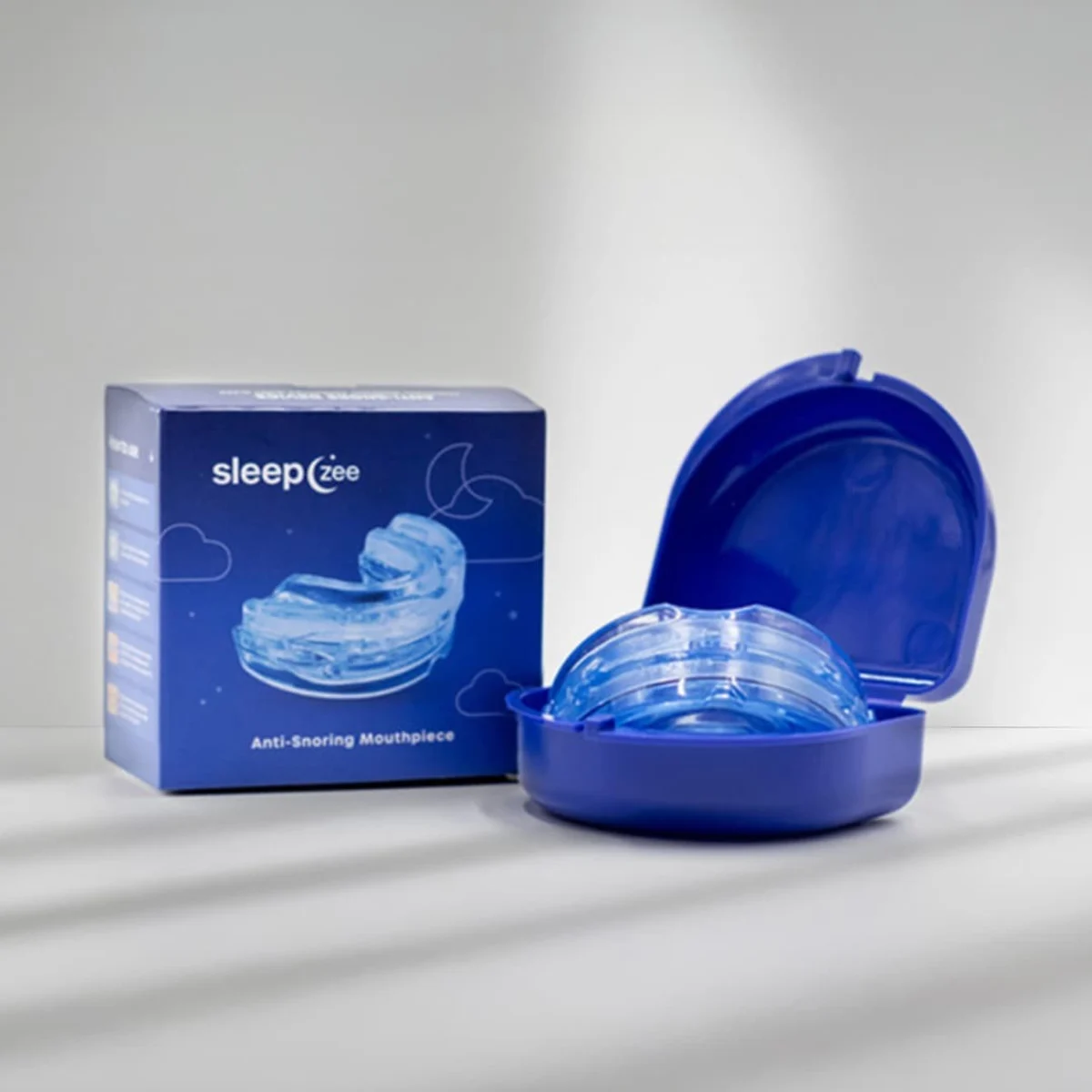
An adjustable anti-snoring mouthpiece designed to support smoother airflow, with a simple fit that belongs in your bedtime routine.
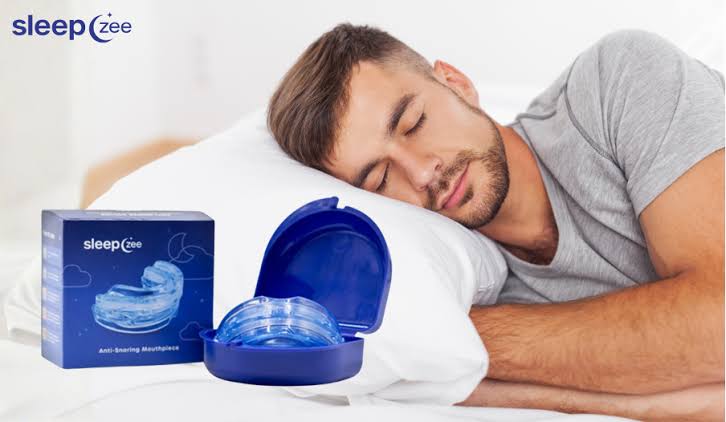 A simpler sleep ritual
The quiet starts here
Snoring does not only interrupt the person who makes the sound. A partner may wake, shift to another room, or start a new day feeling that the night never really ended. It can turn the ordinary promise of bedtime into an ongoing conversation about noise and sleep. Sleepzee is designed as a straightforward option for adults looking to address disruptive snoring without making their evening routine complicated.
This adjustable mouthpiece is intended to support a more open pathway for airflow by gently encouraging the lower jaw forward. It is small enough to keep beside the bed and simple enough to take along when your plans change. It cannot promise silence for every sleeper, and it is not a replacement for a medical assessment. What it offers is a practical starting point: a wearable, airflow-minded product that you can fit according to the supplied directions and evaluate in your own routine.
The right solution depends on why someone snores, whether the appliance fits comfortably, and whether it suits their dental health. If you have persistent symptoms or concerns about your breathing during sleep, speak to a healthcare professional rather than relying on a consumer product alone. For everyday questions about Sleepzee itself, this guide walks through its design, fitting process, care, and the decisions worth making before you order.
Why Sleepzee
The appeal of an anti-snoring mouthpiece is not that it turns sleep into a project. It is that, when it fits well and addresses the right kind of snoring, it can become one small and repeatable part of the evening. Sleepzee brings several practical ideas together in a compact format.
The mouthpiece is designed to encourage a slightly forward jaw position. For some sleepers, that position may help reduce the vibrations associated with ordinary snoring.
A warm-and-shape fitting process lets you work toward a fit that feels secure and natural. Always follow the supplied instructions rather than improvising the process.
No machine on the nightstand and no extra setup each evening. Once properly fitted, the compact appliance is intended to be worn at bedtime.
The small format is easy to keep with your bedtime essentials, whether you are sleeping at home or packing for a trip. Store it cleanly between uses.
These features describe the product's intended design, not a guaranteed outcome. The most important benefit is the one you can actually live with: a comfortable fit, instructions you understand, and a routine you can maintain. If snoring continues, worsens, or comes with breathing pauses or daytime sleepiness, the next step is a conversation with a clinician, not simply wearing the appliance more tightly.
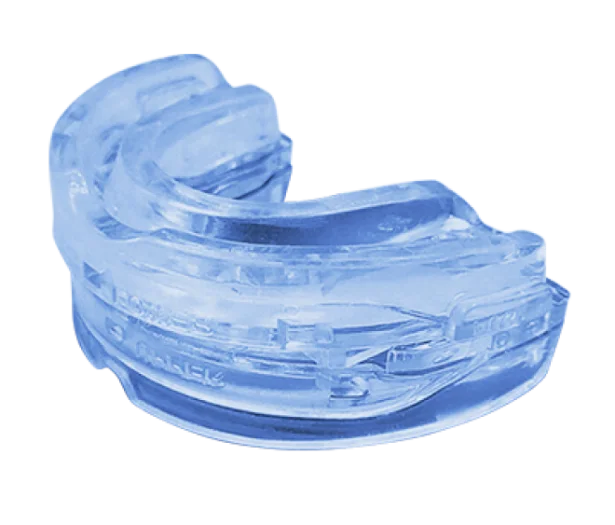
The idea behind the mouthpiece
During sleep, muscles relax. In some people, that relaxation narrows the space available for air to pass through the upper airway. As air moves past relaxed tissue, the tissue can vibrate and create the familiar sound of snoring. The exact cause is not identical for everyone: nasal congestion, sleeping position, alcohol near bedtime, anatomy, and other factors can influence what happens overnight.
Sleepzee uses a jaw-positioning approach. By gently holding the lower jaw a little farther forward, an oral appliance may help preserve room behind the tongue and support smoother airflow. For some people whose snoring responds to this change, less vibration can mean less nighttime noise. The word “may” matters. A mouthpiece cannot reliably address every source of snoring, and no one should interpret a quieter sound as proof that breathing is healthy throughout the night.
This is why fit deserves as much attention as the mechanism. A mouthpiece that slips out, presses hard on teeth, or strains the jaw is unlikely to make bedtime feel easier. Take time with the manufacturer's fitting directions, reassess comfort after use, and ask a dentist if you have dental questions. If you suspect a sleep-related breathing disorder, seek proper evaluation before deciding on a device.
Small device. Clear purpose.
Explore the product information, directions, and current order terms before deciding whether Sleepzee fits your needs.
Getting started
An adjustable product works best when you give the fitting process your attention. The reference Sleepzee site describes a warm-and-shape approach, but the instructions included with the product are the source for exact steps, temperatures, and timings. Never use a guess from a web page in place of the current directions supplied with your order.
Review the full fitting, safety, and care instructions first. Make sure you understand how the mouthpiece should be handled, how long it should be warmed, and how to know when it is ready to shape. Do not use boiling water unless the supplied directions explicitly say to do so. Excessive heat can deform material or cause injury.
Follow the supplied directions to mold the softened mouthpiece around your teeth and allow it to set. Look for a stable position without sharp edges, painful pressure, or a feeling that your jaw is being forced. A fit you can tolerate consistently matters more than trying to advance the jaw as far as possible.
Check how the appliance feels before going to sleep. Use it only as directed and pay attention to your teeth, gums, and jaw in the morning. Clean and store it according to the product directions. If discomfort persists, stop using it and ask a dentist or healthcare professional for guidance.
A note on the adjustment period
A new oral appliance can feel unfamiliar at first. Some awareness of the appliance is different from pain, persistent soreness, or a change in your bite. Do not keep wearing it through significant discomfort in the hope that the problem will disappear. The right next step may be to revisit the fitting directions, contact product support, or speak with a dentist. The goal is a practical nighttime habit, not a nightly struggle.
The product, up close
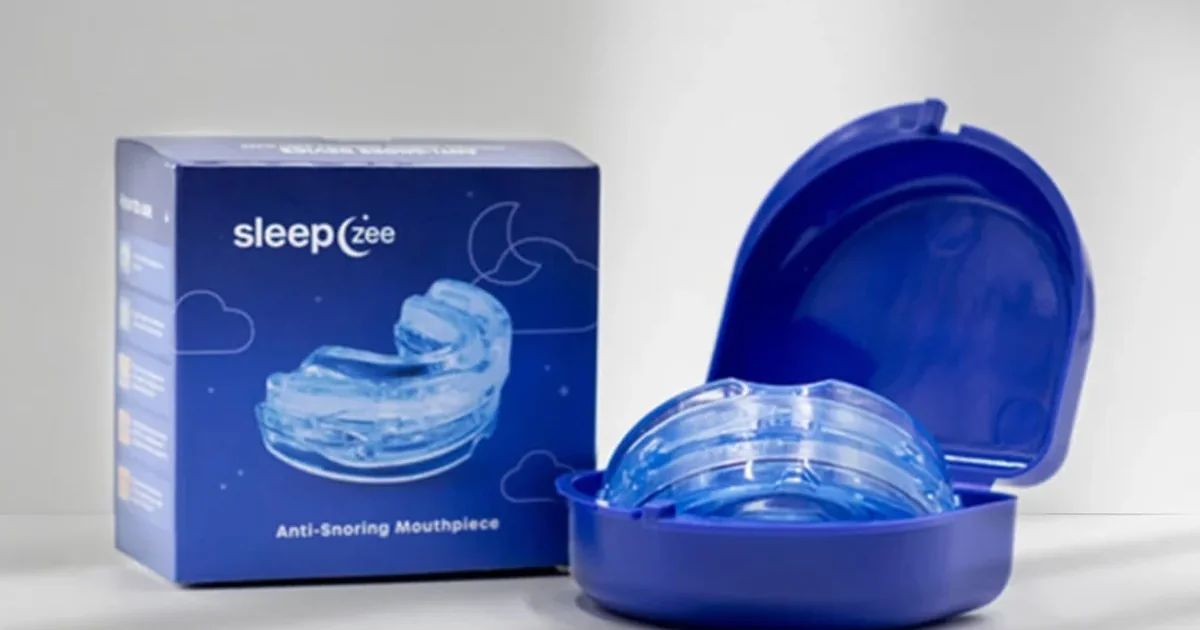
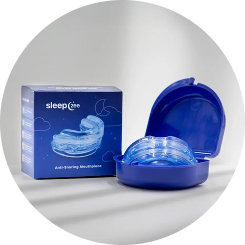
The photographs show the clear mouthpiece, its blue storage case, and the Sleepzee packaging. The case helps give the product a place in a bedside or travel routine rather than leaving an oral appliance loose among your other belongings. The actual contents and handling instructions should always be checked on the current order page and in the package you receive.
Before buying, think through what you need from an anti-snoring mouthpiece. Are you looking for a compact alternative to a bulky bedside setup? Are you prepared to follow fitting instructions closely? Do you have dental work, a sensitive jaw, or symptoms that make professional advice the better first move? Those questions are more useful than a dramatic before-and-after promise. A device should fit both your mouth and your circumstances.
If you are comparing options, look at the intended mechanism, fitting method, care requirements, and return terms. A mouthpiece designed to reposition the jaw is different from a nasal strip or a machine prescribed for a diagnosed sleep disorder. Choosing among them starts with understanding the source of the problem, not with assuming that all snoring has the same answer.
Beyond the device
A mouthpiece is one possible part of a better bedtime routine. Snoring can also be affected by sleep position, evening habits, nasal symptoms, and the health of your airway. Paying attention to patterns gives you better information about what to try and when to ask for help.
Does it sound different when you sleep on your back? Does congestion make it worse? Are there nights when a partner notices pauses, gasping, or unusually restless sleep? A brief record of what you observe can make a conversation with a clinician more useful. It also helps you avoid attributing every change to a single product when several things in the routine have changed at once.
A consistent bedtime, a comfortable environment, and attention to habits that disrupt sleep can matter alongside any device. Some people find that sleeping on their side or avoiding alcohol close to bedtime affects snoring, although these adjustments are not a substitute for diagnosis when warning signs are present. What works in one household will not automatically work in another.
If snoring is loud and habitual, or if someone observes breathing pauses, choking, or gasping at night, speak to a medical professional. Daytime sleepiness, morning headaches, and trouble concentrating can also warrant attention. A clinician can assess whether a sleep study is needed. If oral appliance therapy is appropriate for a diagnosed condition, they may recommend a professionally fitted device and follow-up care.
Life with Sleepzee
Once you have fitted the mouthpiece according to its directions, the routine is intentionally simple: check that it is clean and in good condition, place it as directed before sleep, and put it away properly after you wake. There is no reason to rush the first fitting or ignore how it feels the next morning. A comfortable, consistent approach is more useful than trying to make a device work through pain.
When you travel, having a compact case can help you keep your sleep essentials together. Take the care instructions with you if you might need to clean or refit the appliance away from home, and protect it from high heat. A change of setting can affect how you sleep; give yourself room to notice whether the product remains comfortable and useful outside your usual bedroom.
A quieter environment matters to both sides of the pillow. Still, nobody owes a partner a quick fix at the expense of their health. Talk openly about what is improving, what is not, and whether symptoms call for a different kind of help. Sleepzee is designed to be an option in that conversation, not the whole conversation.
Questions, answered
From how the mouthpiece works to when to ask for professional advice, here are the details worth knowing before you make it part of your bedtime routine.
For product-specific fitting, shipping, and returns, check the current instructions and terms on the order site.
Sleepzee is an adjustable anti-snoring mouthpiece. It is designed to gently encourage the lower jaw forward during sleep, which may help keep more space in the airway and lessen the tissue vibrations associated with certain kinds of snoring. It is a consumer oral appliance, not a diagnosis or treatment for sleep apnea. Its effect and comfort can differ from one person to another. Read the supplied product instructions before fitting or wearing it, and seek professional advice if you are unsure whether an oral appliance is right for you.
Snoring often happens when relaxed tissues in the upper airway vibrate as air passes by. A jaw-positioning mouthpiece is intended to move the lower jaw slightly forward, supporting a more open path for airflow. That mechanism can be helpful for some people with uncomplicated snoring, but it does not address every cause of nighttime noise. Congestion, sleep position, anatomy, and other health factors may also matter. A quiet night is never proof that an underlying sleep disorder has been ruled out.
Follow the current instructions supplied with the product. The reference product page describes warming the mouthpiece in water, carefully shaping the softened material to your bite, and letting it set before use. Do not guess a temperature or heating time: too much heat can damage the appliance or cause injury. Aim for a stable fit that is not painful or forceful. If it will not fit comfortably, stop and review the instructions rather than repeatedly forcing your jaw into position.
Wearing anything new in your mouth may take some getting used to. A properly fitted appliance should feel secure without sharp pressure or significant discomfort. Some people may notice extra saliva, dryness, or temporary jaw awareness at first. Persistent jaw pain, tooth pain, bite changes, or gum irritation are reasons to discontinue use and speak with a dentist or clinician. Comfort should be treated as a practical requirement, not something you have to endure in pursuit of less snoring.
The mouthpiece is intended for use while sleeping and is not tied to one particular sleep position. Side sleeping itself may help some people snore less, but every sleeper is different. If you combine a mouthpiece with a change in sleep position, make sure the appliance remains secure and comfortable. Do not assume that side sleeping or a mouthpiece alone will solve snoring caused by a medical condition; seek an assessment if symptoms suggest one.
No. This page does not present Sleepzee as a treatment for obstructive sleep apnea. Loud habitual snoring, witnessed pauses in breathing, waking up gasping, morning headaches, or excessive daytime sleepiness can be signs that deserve a medical evaluation. A clinician can assess whether a sleep study or a professionally fitted oral appliance is appropriate. Do not use an over-the-counter mouthpiece as a substitute for a prescribed treatment or delay care because your snoring sounds quieter.
Ask your dentist or healthcare professional before using a jaw-positioning mouthpiece if you have loose teeth, dentures, braces, gum disease, significant dental work, an existing bite problem, or a history of temporomandibular joint pain. Because the device rests against your teeth and changes your jaw position, your individual dental situation matters. Stop using it if you develop pain, injury, or a noticeable change in how your teeth meet. This general guidance cannot replace advice from someone who has examined you.
Clean and store the appliance according to the care directions that come with your order. In general, handling an oral appliance with clean hands, keeping it away from excessive heat, and checking it for wear are sensible habits. Do not use damaged material or make modifications that the manufacturer has not instructed you to make. If you travel, use a clean protective case and check that the appliance is dry before longer storage. Always defer to the product's own cleaning and replacement guidance.
The reference order site describes a 30-day satisfaction guarantee. Terms, eligibility, and return procedures can change, so review the latest guarantee and shipping information on the order site before purchasing. Keep your order confirmation and follow the current instructions there if you need support. This page does not process orders or handle returns; its order buttons take you to the external Sleepzee order website for the most current details.
This page provides general product information and does not offer medical advice. Sleepzee is not presented here as a cure for snoring, a treatment for obstructive sleep apnea, or a replacement for evaluation by a healthcare professional. Results and comfort vary. If you have suspected sleep apnea, breathing pauses, persistent jaw or dental problems, or other concerns about your sleep, seek qualified advice before using an oral appliance. Review the official product instructions and current terms before ordering.
Ready to learn more?
The order site has the current Sleepzee product details, fitting information, availability, shipping, and guarantee terms. Take a look, ask the questions that matter to you, and choose what makes sense for your sleep routine.